自己フォーカストレーニングとは、選手がある目標を達成するために必要な状況を完全に認識することを促すものです。選手は、課題を克服し、練習課題の目標を達成するために必要な自分の能力を理解している必要があります。選手は、知識だけではなく、解決や意思決定のプロセスにおける経験を振り返り、必要な時に知識を再構築するために、コーチから独立して意思決定を行う能力を備えている必要があります。

Play Smart Tennis – MIND YOUR GAME – Anticipate! Don’t participate
by Milos Dimic, Sports Neuroscience PhD
自己フォーカストレーニングとは、選手がある目標を達成するために必要な状況を完全に認識することを促すものです。選手は、課題を克服し、練習課題の目標を達成するために必要な自分の能力を理解している必要があります。選手は、知識だけではなく、解決や意思決定のプロセスにおける経験を振り返り、必要な時に知識を再構築するために、コーチから独立して意思決定を行う能力を備えている必要があります。

コート上の状況に対する最も重要な適応は、適切なテニスの練習を通じて開発された、知覚的および認知的評価スキルに基づくプレーヤーの意識から生まれます。知覚・認知プロセスの重要性は、選手が相手の行動に対して事前に反応を起こし(予測)、それに対して最適な行動を起こす(意思決定)ことを可能にする点にあります。試合では、生理学的な要素も非常に重要ですが、先読みや意思決定などの知覚・認知能力が高いレベルのパフォーマンスを支えています。だからこそ、トレーニングの核となるのは、予測や意思決定、そしてオプション生成のプロセスを開発することではないでしょうか。

To be able to produce consistent level of performance at the physical (visible to eye) level, athletes are in need of the rested and productive brain, prepared to create mental images and connect them to the muscle fibers producing the most optimal movement
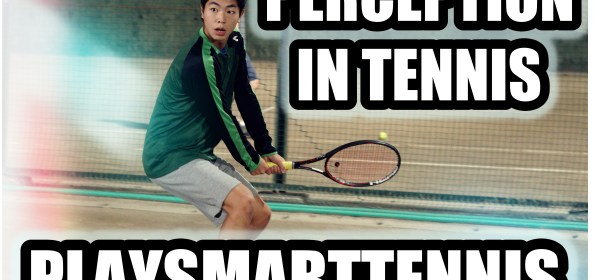
Visual system is the dominant sensory system and critical for detecting relevant cues for an appropriate motor response. As such, for successful performance, an athlete, especially in tennis, must identify and attend to relevant visual cues as early as possible

Visual search, peripheral vision, gaze in tennis, anticipation

Implementing breathing in the tennis practice routine will enable players to:
1. Rely on the kinetic chain as the source of power and control
2. Have more constant timing of the strokes
3. Relax the muscles during the contact point
4. Perform with effortless and fluent follow through
5. Decrease the levels of anxiety and stress during and after the points
6. Increase the levels of concentration and confidence
7. Stabilize the core
8. Move efficiently
9. Delay the Feeling of fatigue
10. Reduce the chances of injuries
 Play Smart Tennis - MIND YOUR GAME - Anticipate! Don’t participate